September 11, 2026 • Doug Porter • 11 min reading time • Prices verified June 25, 2026
Photo Album Weight, Wear, and the 600-Pocket Promise: Pocket Albums for Restored Print Storage
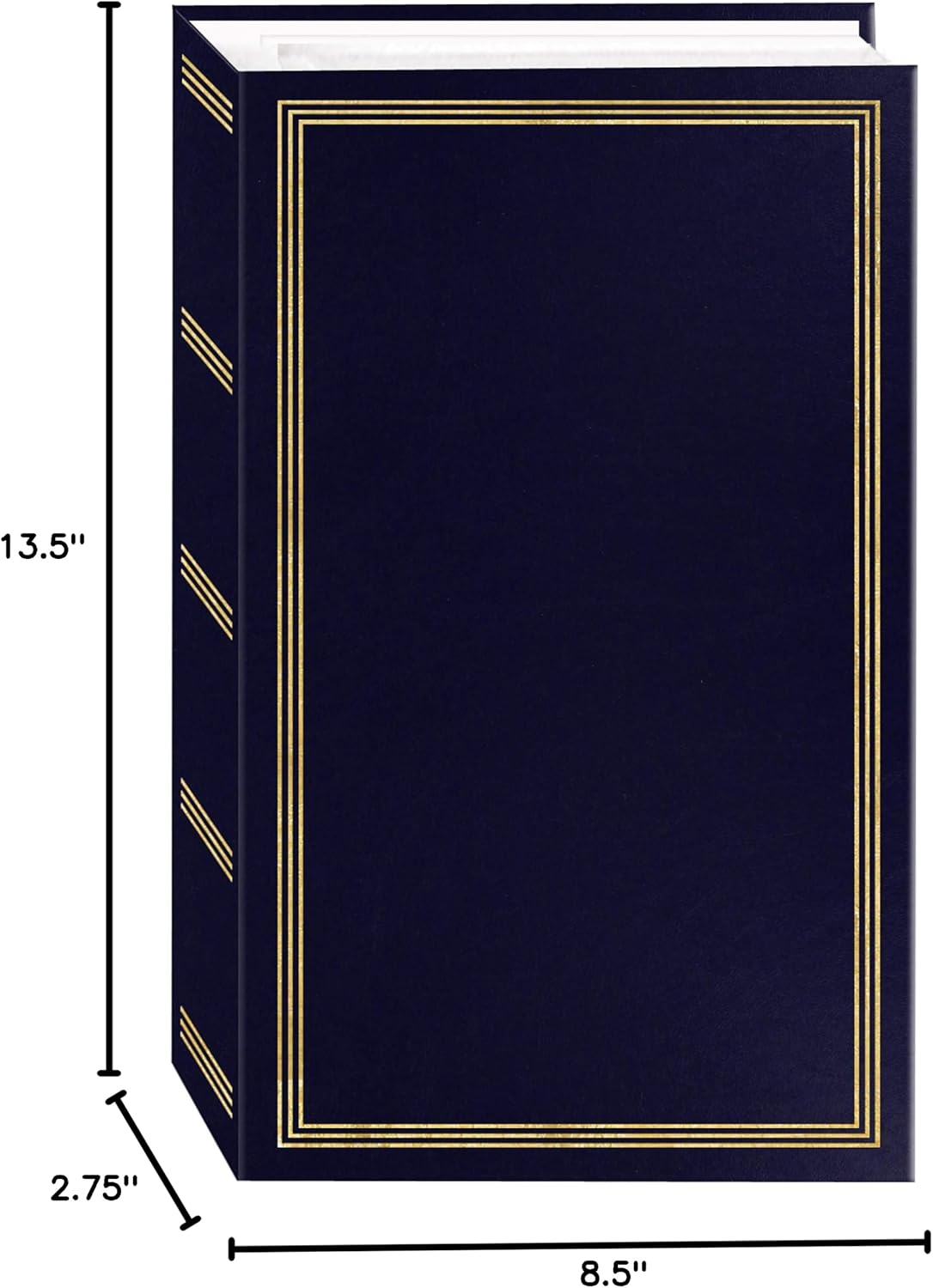
That box of restored prints sitting on your desk represents real work — hours of scanning, color correction, and careful digital labor to pull your family’s history back from the edge of oblivion. The last thing you want is to slide those prints into an album that yellows them over a decade, lets them fall out every time the album tips, or buckles under its own weight after filling. A pocket album is simply an album where each photo slides into a pre-formed clear sleeve rather than being glued or held by corner tabs — making them popular for 4×6 prints because loading is fast and prints stay removable. The “600-pocket” category is the high-capacity tier of that format, promising to consolidate an entire family archive into a single spine. But “holds 600 photos” is a ceiling, not a guarantee — and the gap between the marketing number and the reality of a fully loaded album is where most buyers get surprised.
If you’ve already processed a batch of restored prints and you’re now evaluating where to put them, this article is your decision framework. We’ll work through five albums that appear most frequently in this category, compare the tradeoffs that matter most — filled weight, pocket seam integrity, cover rigidity, and archival material claims — and close with a clear if/then decision rule for different use cases.
| EDITOR'S PICKZoview Self-Adhesive Photo Album | Mid-tierPioneer Sewn Bonded Leather Boo… | Budget pickAegero 50 Pack 4 x 6 Photo Slee… | |
|---|---|---|---|
| Photo capacity | — | 300 photos | 300 photos |
| Supported sizes | 3x5 to 8x10 | 4x6 | 4x6 |
| Album type | Self-adhesive | Bookbound | Refill pages |
| Cover material | Leather | Bonded leather | — |
| Waterproof | ✓ | — | — |
| Acid-free | — | — | ✓ |
| Price | $26.99 | $19.99 | $5.94 |
| See on Amazon → | See on Amazon → | See on Amazon → |
The Filled-Weight Problem Nobody Talks About
Here’s the number that changes everything: a standard 4×6 print on typical photo paper weighs roughly 7–8 grams. Multiply by 600 and you’re carrying nearly 4.7 kg (about 10.4 lbs) of paper before you add the album structure itself. The Potricher linen 600-pocket album is consistently praised for its capacity and attractive linen-texture cover, but owners across aggregated purchase feedback explicitly flag that a full album is heavy — enough that retrieving it from a shelf requires two hands and that standard decorative bookshelf brackets can flex under the load.
That weight figure isn’t a reason to avoid large-capacity albums; it’s a reason to plan for it. A few questions worth asking before you commit:
- Where will this live? Shelf storage with proper bracket support handles the weight better than stacked storage, where the bottom album bears the cumulative load.
- Will you access it frequently? A 600-print album used for display and occasional retrieval behaves differently than one pulled out monthly for genealogy research.
- Is your use case archival permanence or active reference? Those are different optimization targets, and they point to different products.
The Potricher album lands best for the display-and-preserve use case — owners who want a unified, presentable object on a proper shelf. For active reference use, where the album is opened regularly and prints are occasionally pulled out, the weight becomes a genuine usability constraint.
Five Albums, Three Tiers: Pocket Integrity, Seam Failure, and First-Impression Bias
Pocket quality is the most underrated spec in this category, and it’s also the one most vulnerable to first-impression bias. The five albums below map onto three tiers based on primary use case and price positioning.
Budget-Accessible: Pioneer STC-504
The Pioneer STC-504 is a workhorse album with decades of retail presence. Owners in long-run reviews note it holds borderless 4×6 prints securely — the pockets run just slightly snug, which means prints don’t rattle loose, but sliding in freshly cut borderless prints requires a light touch to avoid micro-creasing corners. The Pioneer’s most documented issue isn’t the album itself: reviewers consistently report that its packaging — shipped in a standard plastic bag rather than a box — results in corner dings on arrival. At least one documented buyer returned a unit specifically for replacement rather than accepting a damaged cover. If you order the Pioneer STC-504, photograph the packaging before opening; most sellers honor a replacement for transit damage when documented promptly.
Aegero
$5.94
In stock on Amazon
Check price on AmazonMid-Range: Pioneer Sewn Bonded Leather and Zoview Large-Capacity
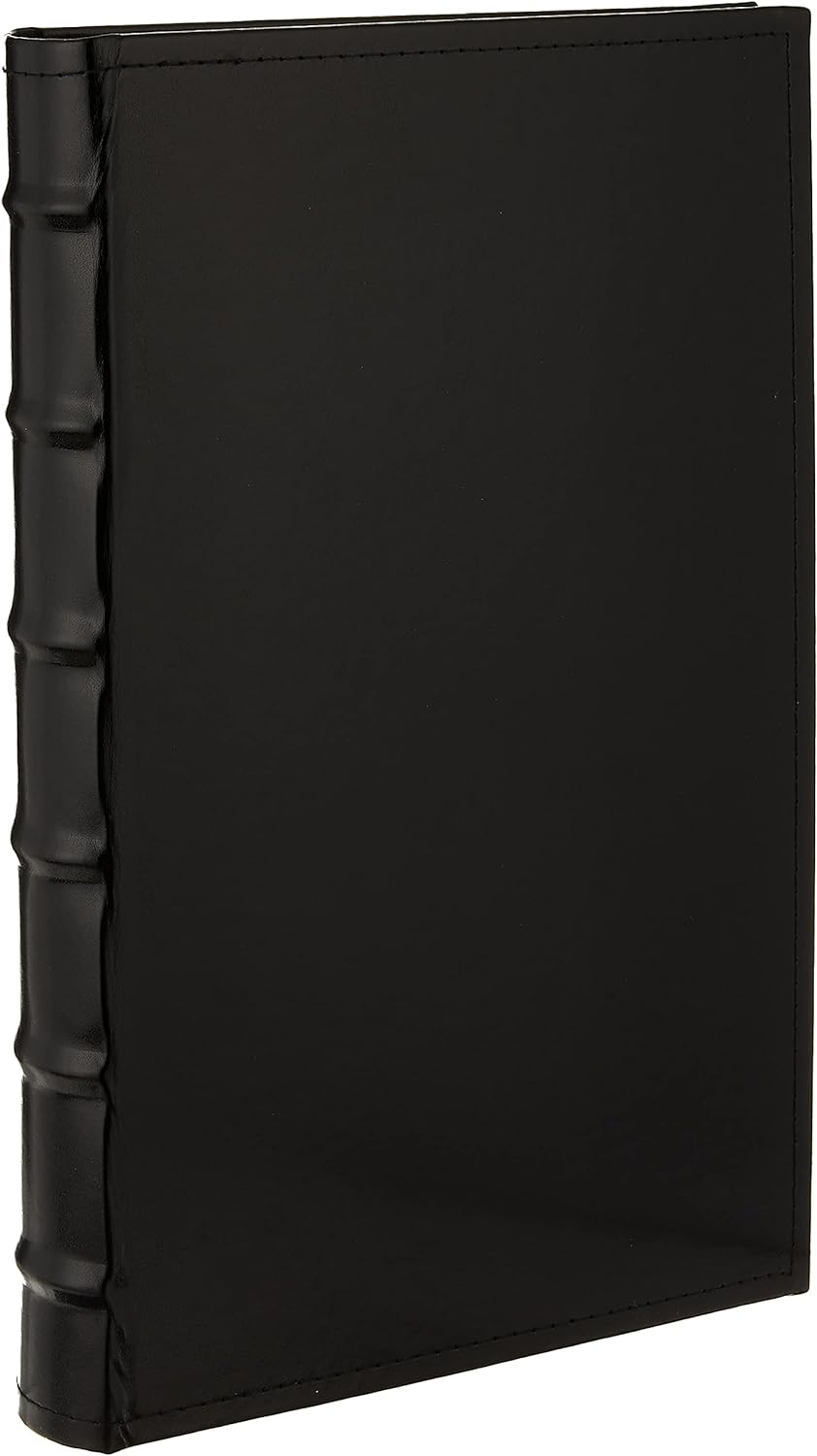
The Pioneer sewn bonded leather album surfaces the first-impression problem in an instructive way. Multiple buyers report initially judging the pockets as cheap or flimsy before reversing that assessment after filling. This is worth unpacking: an empty pocket sleeve has almost no structural tension, so it feels loose and insubstantial. Once a print is inserted, the sleeve conforms around the print’s edges and the whole page gains rigidity. The lesson is practical — don’t judge pocket quality by feel alone on an empty page. Judge it after loading a test row of ten prints and checking whether the sleeves hold their shape and whether the print edges show stress marks.
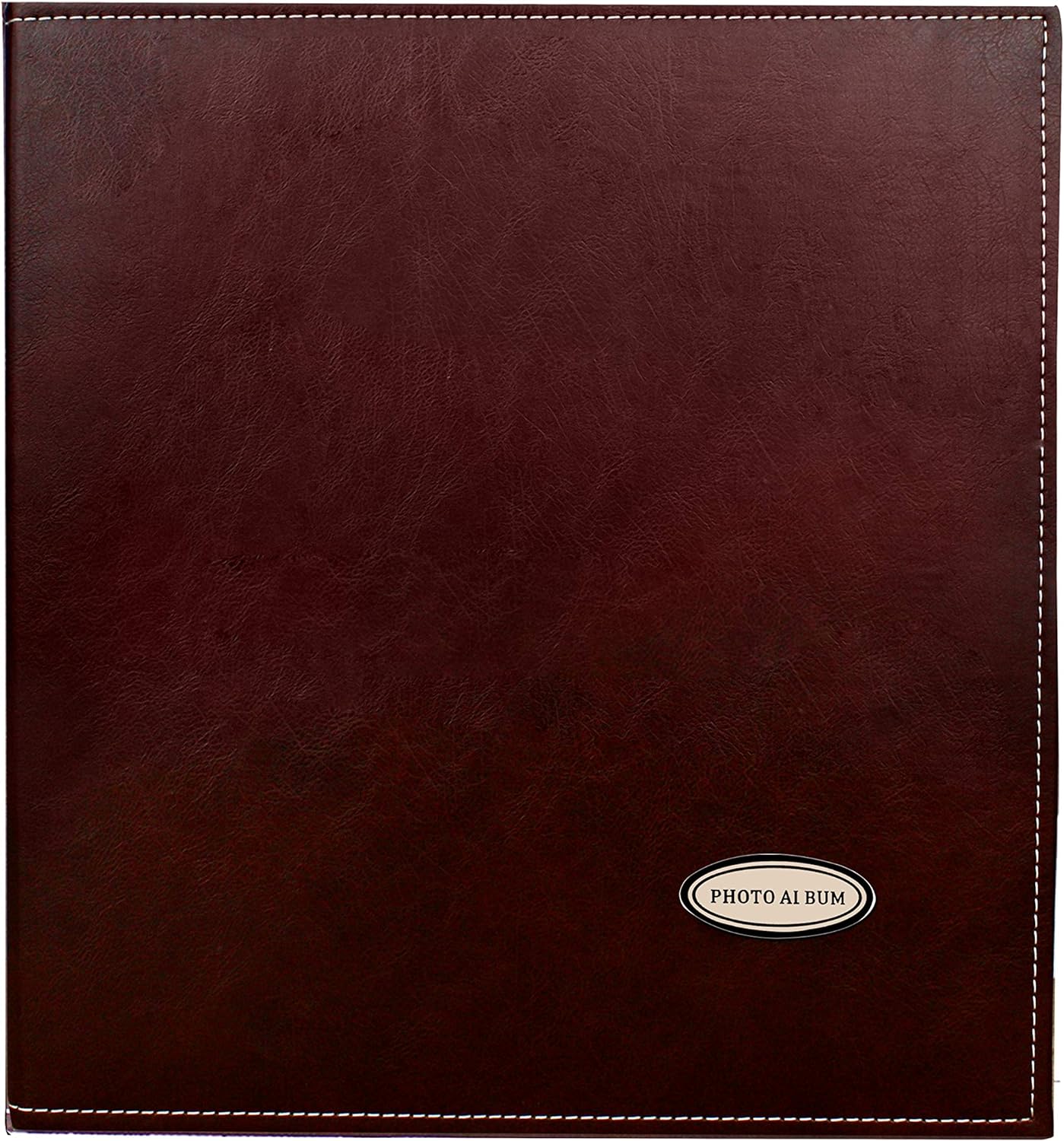
The Zoview large-capacity album occupies a distinct buyer motivation. Owners consistently describe it in terms of how it looks on a shelf — “like a large book” is a phrase that recurs in reviews — rather than in terms of archival specs or pocket integrity. This signals a display-first buyer who prioritizes aesthetic integration with home décor. Zoview albums are not marketed as archival-grade, and the reviewers who are happiest with them are clearly optimizing for presentation over long-term preservation. That is a legitimate choice, but it is a different choice from the one a serious restorer or archivist would make.
Pioneer
$19.99
In stock on Amazon
Check price on AmazonCatalog-Oriented: Aegero Binder Sleeve System and Potricher Linen
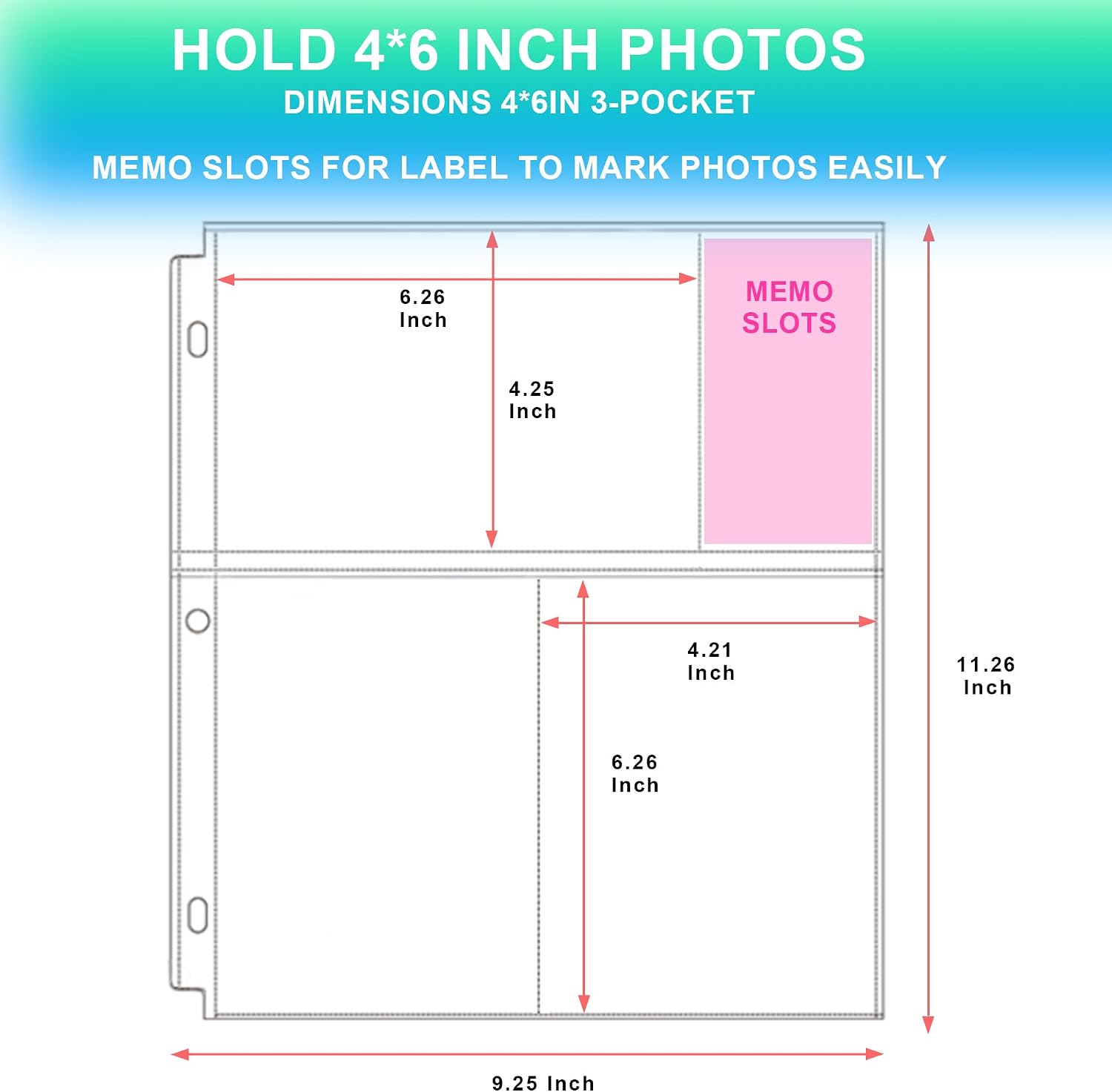
The Aegero 3-ring binder sleeve system represents a fundamentally different philosophy. Instead of a bound album with fixed-capacity pockets, Aegero sells individual sleeve pages designed to fit standard 3-ring binders — meaning capacity is theoretically unlimited (add more pages, add more binders) and pages can be reorganized, removed, and reordered without disturbing other prints. This matters for the family historian or archivist building a structured catalog rather than a display album. If you’re working through an estate with photos spanning multiple decades and family branches, the ability to reorganize by date, subject, or person without physically moving prints between bound albums is a real workflow advantage.
The Potricher linen 600-pocket album occupies the premium end of the bound-album tier. Its linen cover, stitched binding, and consistent pocket tolerance make it the strongest all-around choice for a display-and-preserve use case where the album will live on a proper shelf rather than being handled constantly. The filled-weight caveat from the section above applies here most directly — budget your shelving before you order.
Zoview
$26.99
In stock on Amazon
Check price on AmazonArchival Safety and the Acid-Free Question
By the numbers:
- The Library of Congress Preservation Directorate, in its guidance document titled Caring for Your Photographs, recommends storage materials with a pH of 7.0–8.5 for photographic prints.
- Polypropylene and polyester (Mylar/Melinex) sleeves are considered archivally stable; PVC sleeves off-gas plasticizers and are explicitly contraindicated for long-term photographic storage.
- Most consumer pocket albums do not specify sleeve chemistry on the retail listing — the buyer must check product documentation or contact the manufacturer directly.
- Albums labeled “acid-free” typically address the backing board and cover material; sleeve chemistry is a separate specification that may or may not be disclosed.
The Library of Congress Preservation Directorate draws a clear line in its document Caring for Your Photographs: the sleeve material in contact with the print surface is the critical variable, not the album cover material. An album marketed as “acid-free” may have an acid-free cover board and backing pages while still using PVC sleeves — a combination that is archivally safe on the paper side and potentially damaging on the emulsion side over multi-decade storage timescales.
The Society of American Archivists, through its Photographic Materials Section standards overview, recommends polypropylene or polyester sleeves as the safe default for photographic print storage and treats PVC-based sleeves as incompatible with long-term preservation goals. The Image Permanence Institute at Rochester Institute of Technology, in its consumer guide titled A Consumer Guide for the Selection of Photographic Albums, Enclosures, and Storage Containers, specifically endorses sleeve-page formats as compatible with archival goals when the sleeve material is confirmed inert — making the Aegero binder-sleeve path the lower-risk default for practitioners who can independently verify sleeve composition.
For restored prints that represent genuine irreplaceable originals — the output of a serious scanning and restoration workflow — this distinction is not academic. If you’ve invested significant hours in a film scanner and restoration software, or commissioned a professional restoration, the storage substrate deserves the same scrutiny as the scanning workflow itself. Wirecutter, in its photo organization and storage coverage published under The New York Times umbrella, treats self-adhesive (so-called “magnetic”) albums as incompatible with preservation goals entirely, a position consistent with Image Permanence Institute guidance cited above.
None of the five albums in this comparison publish full sleeve material specifications in their retail listings as of May 2026. The practical guidance: if long-term archival permanence is your primary goal, verify sleeve chemistry before loading restored prints, or default to the Aegero binder-sleeve system with independently specified polypropylene sleeves.
Frequently Asked Questions
How heavy does a fully loaded 600-pocket album actually get? Based on standard 4×6 print weights (approximately 7–8 grams per print on typical photo paper stock), 600 prints alone weigh roughly 4.2–4.8 kg before the album structure. Add a linen or bonded-leather cover, backing boards, and sleeve pages, and a filled album typically runs 5–6 kg (11–13 lbs). Owners of the Potricher linen album specifically flag this. Plan your shelving accordingly — standard decorative brackets rated for light objects are not adequate for a filled large-capacity album.
Are the pockets tight enough to hold borderless 4×6 prints without them falling out? Across the albums reviewed here, borderless prints generally stay secure when the album is upright, but there is meaningful variation. The Pioneer STC-504’s pockets run slightly snug — good retention but requires care on insertion. Zoview pockets are reported as slightly looser, which some owners prefer for easy removal. No album in this category is designed for prints larger than 4×6; oversized prints will buckle inside standard pockets and should be stored in a separate format.
Do any of these albums use materials safe for long-term print storage? Several are marketed as “acid-free,” but as noted above, that claim typically applies to the backing material, not the sleeve chemistry. PVC sleeves — still common in consumer albums — are not safe for long-term archival storage of photographic prints, per both the Society of American Archivists Photographic Materials Section standards overview and the Library of Congress document Caring for Your Photographs. Verify sleeve material before storing irreplaceable originals.
What is the best way to handle corner damage that arrives from shipping? The Pioneer albums in particular have documented reports of corner dings from plastic-bag shipping. Photograph the packaging before opening. Most online retailers will honor a replacement claim for shipping damage when documented on arrival — do not open the album and attempt DIY repair first, as that typically voids the damage claim. For minor corner compression that doesn’t affect function, a light press under flat weight for 24–48 hours can reduce the visible crease, but structural corner damage on a bonded leather cover is generally not reversible.
Is a self-adhesive album safe for storing original restored prints? No — not for prints you intend to preserve long-term. Self-adhesive (or “magnetic”) albums use a pressure-sensitive adhesive layer covered by a film overlay. The adhesive chemistry is not archivally stable, the adhesive bonds to the print surface over time making removal destructive, and the overlay film can react with the print emulsion. Both Wirecutter’s photo organization and storage coverage (published under The New York Times) and the Image Permanence Institute’s consumer guide A Consumer Guide for the Selection of Photographic Albums, Enclosures, and Storage Containers treat self-adhesive albums as incompatible with preservation goals. Use pocket-sleeve albums for any print you want to remain retrievable and undamaged in 20 years.
If/Then Decision Rule
If your primary goal is display — a beautiful object on a proper shelf that consolidates a large family archive — the Potricher linen album delivers on aesthetics and capacity. Plan your shelving before you order, and accept that the filled weight is real.
If you access your collection frequently or need to reorganize by date or subject, the Aegero binder-sleeve system gives you the flexibility that bound albums structurally cannot offer. Pair it with confirmed-polypropylene sleeves and a proper archival binder for a result that meets Society of American Archivists Photographic Materials Section standards.
If you’re storing genuinely irreplaceable restored originals and archival longevity is the non-negotiable requirement, verify sleeve chemistry on any album before loading — and treat the Aegero binder-sleeve path as the lower-risk default until consumer pocket albums publish full material specifications.
If you’re ordering the Pioneer STC-504 or Pioneer sewn bonded leather, document packaging on arrival and initiate a replacement claim immediately if corners are damaged — don’t wait, don’t attempt repairs first.
The 600-pocket promise is real capacity. Whether it’s usable capacity depends on filled weight management, pocket integrity under regular use, and whether the sleeve material is safe for the prints you’ve worked hard to restore. Choose the album that matches your actual use case, not just the one with the largest number on the label.