June 6, 2026 • Doug Porter • 11 min reading time • Prices verified June 25, 2026
The Photo Album Buyer's Honest Guide: Pocket, Adhesive, and Leather Styles Compared
That box of restored prints sitting on your desk right now — the ones you just had scanned at 4,800 dpi and color-corrected frame by frame — deserves better than a rubber band and an envelope. A photo album is simply a bound or structured container designed to hold and display prints; the word covers everything from a thin drugstore sleeve booklet to a handcrafted leather volume that will outlive the people in the photos. The three main styles you will encounter are pocket albums (clear plastic sleeves pre-sized for standard prints), self-adhesive albums (open pages with a sticky surface and a protective overlay where you place prints however you like), and bound or bookbound albums (often leather-covered, sometimes with pocket pages, sometimes with flush-mount or lay-flat construction). Each style makes a different bet about how you will use the album — and how much you care about long-term survival of the prints inside.
If you have already done the hard work of digitizing and restoring your family’s photos, choosing the wrong album format is the last mistake you want to make. This guide cuts through the marketing language and tells you, based on aggregated owner feedback and published preservation guidance from the Library of Congress (loc.gov, “Caring for Your Family Photographs”) and the Society of American Archivists (“Archival Storage of Photographs” fact sheet, archivists.org), exactly which format fits which use case — and where every format quietly fails you.
| EDITOR'S PICK[Zoview Self-Adhesive Photo Album](https://www.amazon.com/dp/B077N244XL?tag=greenflower20-20) | Mid-tier[Pioneer Sewn Bonded Leather Boo…](https://www.amazon.com/dp/B001AUA5XQ?tag=greenflower20-20) | Budget pick[Pioneer Photo Albums STC-504 Na…](https://www.amazon.com/dp/B001VGH44C?tag=greenflower20-20) | |
|---|---|---|---|
| Photo Capacity | — | 300 | 504 |
| Photo Sizes | 3x5-8x10 | 4x6 | 4x6 |
| Page Type | Self-adhesive | Sewn bonded | |
| Binding Material | Leather | Bonded leather | — |
| Price | $26.99 | $19.99 | $11.99 |
| See on Amazon → | See on Amazon → | See on Amazon → |
Pocket Albums: Maximum Capacity, Real Weight Tradeoffs
Pocket albums are the workhorses of the consumer photo market. A sleeve — sometimes called a “pocket” — is a transparent polypropylene or polyester window sized to accept a standard print (4×6 inches is most common; some albums accommodate 5×7 or mixed sizes). You slide the print in, and it is protected on both sides without adhesives touching the print surface.
H3: The High-Capacity Option
The Potricher 600-pocket album is the high-capacity benchmark in this category, and it earns its reputation for print density. Owners consistently report that the pockets hold prints firmly without bowing or creasing under normal loading. But the same owners raise a concern marketing copy never mentions: a fully loaded album is genuinely heavy. Based on aggregated reviewer reports, a filled 600-pocket album can reach 6–8 pounds depending on print paper stock. That is a real consideration if the intended user is elderly, a child, or anyone with limited hand strength. It also changes your shelf-storage math — this is not a coffee-table book you casually flip through; it is more like a binder you set on a flat surface before opening.
The Wirecutter’s consumer photo album guide (published on nytimes.com/wirecutter, “The Best Photo Albums”) specifically flags loaded weight as an underreported factor in pocket album satisfaction, noting that buyers who plan to handle albums while standing or in a lap frequently cite weight as the detail they wish they had known before purchasing.
Pioneer
$11.99
In stock on Amazon
Check price on AmazonH3: The Durability-Focused Pocket Option
The Pioneer Photo Albums 504-pocket album occupies the same category but draws a slightly different reviewer profile. Pioneer has a long manufacturing history in the album space, and owners specifically call out pocket durability over extended filling sessions — one frequently cited reviewer note describes loading hundreds of prints without a single pocket tear or weld failure. The practical surprise reviewers flag: when fully loaded, this album grows to roughly four inches thick. If you are planning a multi-album storage system — say, a complete decade of family prints — measure your shelf depth and width before committing to a stack of these.
The Society of American Archivists’ “Archival Storage of Photographs” fact sheet (archivists.org) notes that polypropylene sleeve enclosures are preferable to adhesive contact for print preservation, which gives the pocket format a meaningful structural advantage over self-adhesive albums when long-term stability is a priority — provided the sleeves themselves are free of PVC or other off-gassing plastics.
Pioneer
$19.99
In stock on Amazon
Check price on AmazonH3: Comparing the Two Pocket Albums Side by Side
| Feature | Potricher 600 | Pioneer 504 |
|---|---|---|
| Capacity | 600 prints (4×6) | 504 prints (4×6) |
| Loaded weight (reported) | 6–8 lbs | ~5–7 lbs |
| Loaded thickness | ~3–3.5 in | ~4 in |
| Pocket durability reports | Good | Very strong |
| Archival rating | Not rated | Not rated |
If X, then Y: If your primary goal is raw capacity for a single family decade and you will store the album on a fixed shelf, the Potricher 600’s density advantage is meaningful. If you are buying for someone else — a grandparent, a child, or a gift recipient — the Pioneer 504’s reputation for pocket durability and its slightly more manageable feel in reviews makes it the safer long-distance choice.
Pioneer
$19.99
In stock on Amazon
Check price on AmazonSelf-Adhesive Albums: Flexibility Wins, With a Documented Catch
Self-adhesive albums — sometimes called “magnetic albums” in older retail language, though true magnets are not involved — use a slightly tacky page surface covered by a clear acetate or mylar overlay. You place prints anywhere on the page in any orientation, press the overlay down, and the print stays put. This sounds ideal, and for layout flexibility it genuinely is. Portrait and landscape prints coexist without any format mismatch.
H3: The Display-Forward Self-Adhesive Option
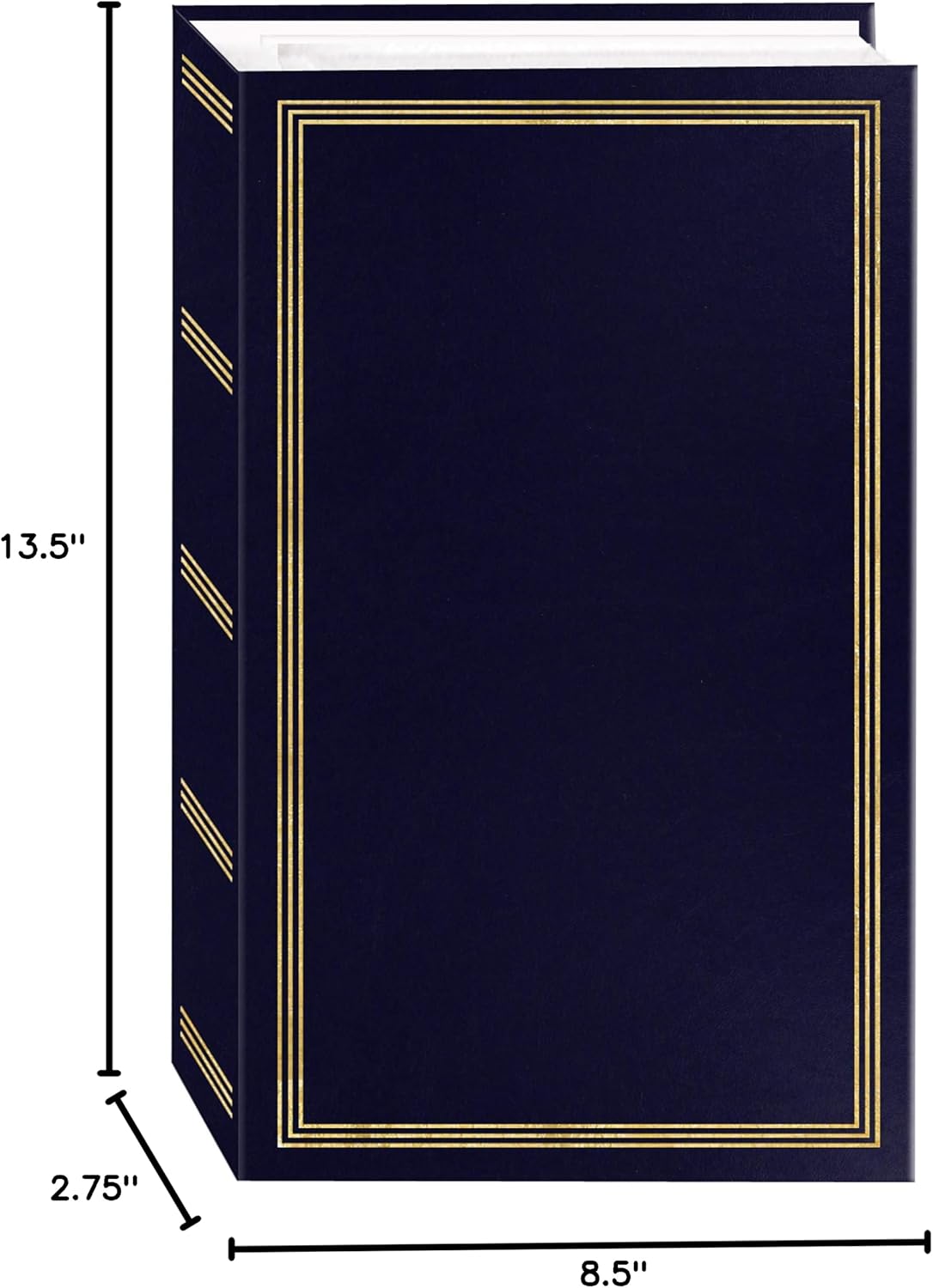
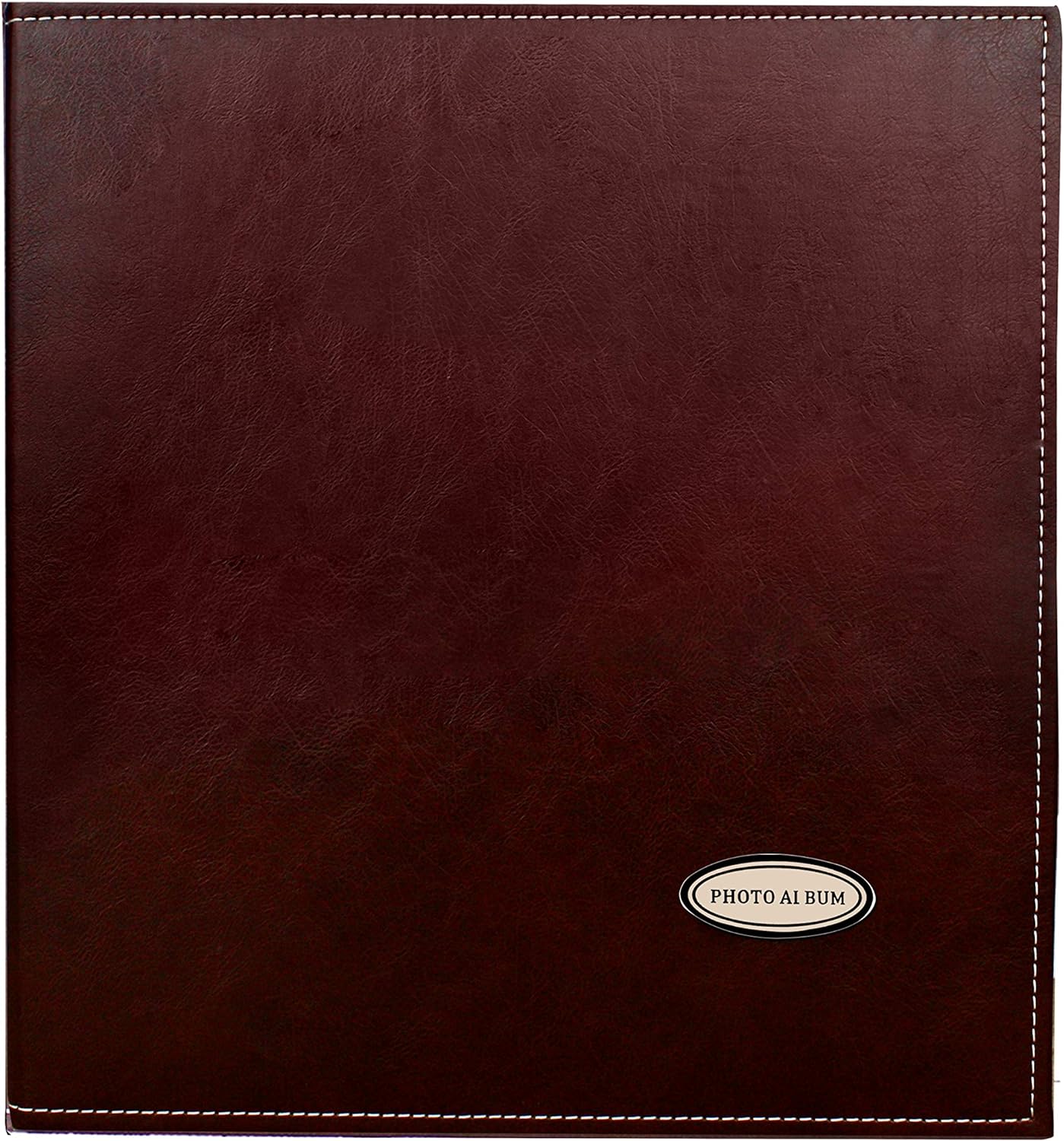
The Zoview self-adhesive album is the standout in this category for one specific reason that pocket albums cannot touch: shelf aesthetics. Owners repeatedly describe Zoview albums as looking like “large books” on a shelf — the spine width, cover material, and proportions all read as furniture-grade objects rather than consumer albums. If the album will live on a visible bookshelf in a living room or studio, this matters in a way the spec sheet will not tell you.
The practical tradeoff is something preservation organizations address directly. The Library of Congress’s “Caring for Your Family Photographs” guidance (loc.gov) states that adhesive contact with print surfaces represents a long-term preservation risk. The chemistry of adhesive layers — even those marketed as acid-free — can transfer compounds to print emulsions over years or decades, particularly as temperatures fluctuate. The Society of American Archivists’ “Archival Storage of Photographs” fact sheet (archivists.org) is explicit on this point: if long-term stability is the goal, mechanical enclosures such as pockets or corners are preferable to adhesive contact. Self-adhesive albums are display products, not archival products, and the Zoview is no exception to that rule.
The Image Permanence Institute’s “Storage and Handling of Photographic Materials” guidance draws the same line, distinguishing between display albums designed for access and aesthetics and archival enclosures tested to PAT (Photographic Activity Test) standards. None of the albums reviewed here carry PAT certification.
If X, then Y: If the album will be actively displayed, frequently shown to visitors, and you are working with a mix of print sizes and orientations — and permanence is a secondary concern — a self-adhesive album like the Zoview is the most visually polished choice you can make at consumer price points. If you have just completed an expensive restoration project and these prints represent irreplaceable originals, do not let adhesive touch the surface.
Pioneer
$19.99
In stock on Amazon
Check price on AmazonBound and Leather Albums: Durability Signal, Gift Appeal, and One Shipping Problem
H3: The Bookbound Family Keepsake Option
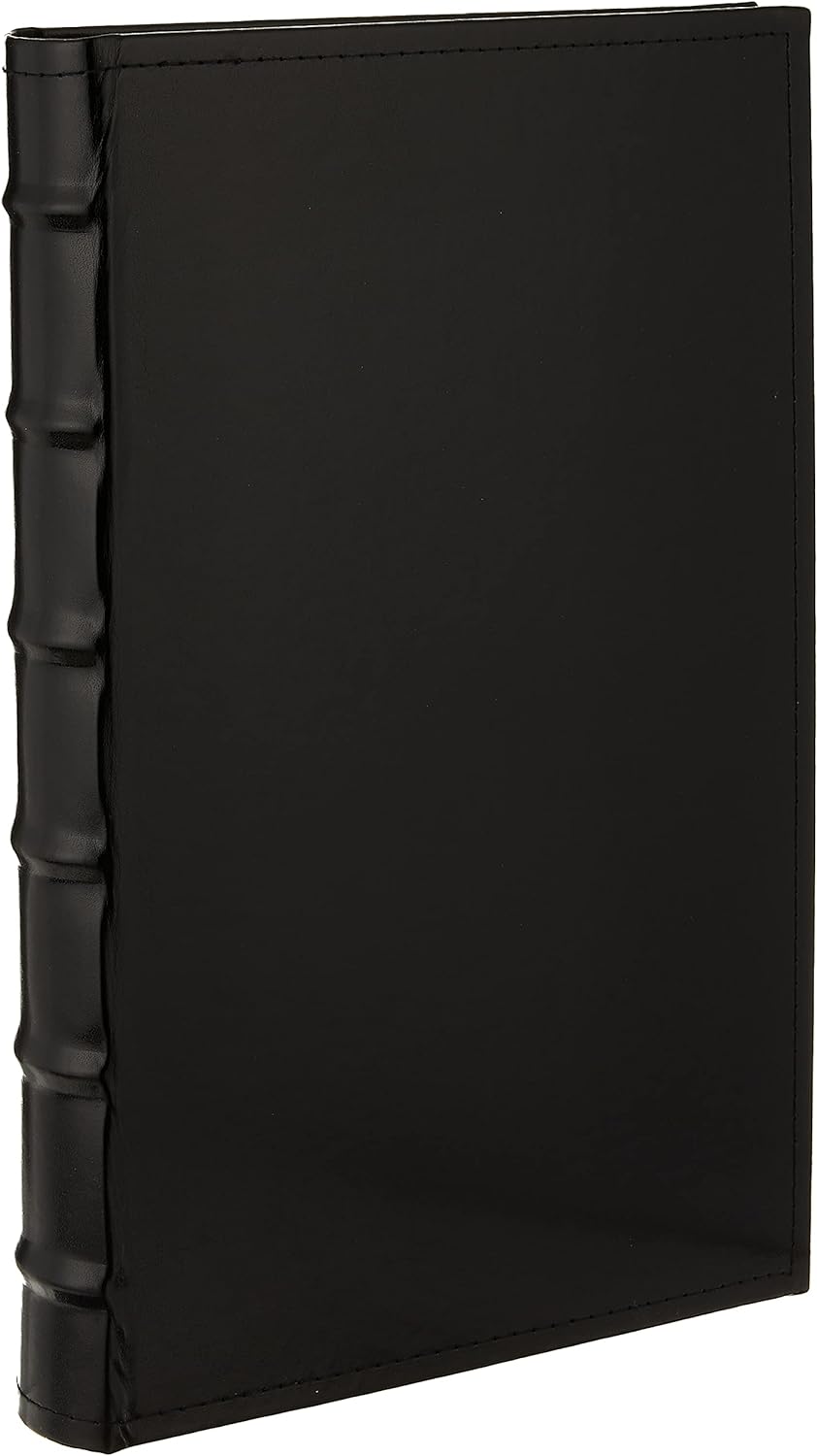
The Pioneer Photo Albums BookBound sits at the intersection of high perceived value and practical family durability. Reviewers specifically use words like “sturdy” and “heavy” as compliments — the binding construction and cover weight telegraph permanence in a way that flimsy consumer albums do not. For family-use albums meant to be passed down, the BookBound format earns consistently strong owner responses.
There is one documented problem that gift buyers specifically need to know: shipping damage to corner-bound construction. Across aggregated reviews, a recurring complaint involves corner and spine damage in transit. If you are ordering this album as a gift — particularly if it will be shipped directly to a recipient rather than picked up in person — factor in the packaging quality and consider requesting gift-ready shipping or inspecting the item before wrapping. This is not a quality-control indictment of the product itself; it is a fulfillment-chain problem that other album formats, being flatter and less rigid, are less vulnerable to.
The Wirecutter’s “The Best Photo Albums” consumer guide (nytimes.com/wirecutter) notes this category-wide issue with rigid bound albums: the very construction qualities that make them feel premium — heavy covers, reinforced spines, substantial corner profiles — also make them more susceptible to shipping impact damage than flexible-cover albums. Buying in person or through a retailer with generous replacement policies is the practical workaround.
Zoview
$26.99
In stock on Amazon
Check price on AmazonH3: What No Consumer Album in This Category Actually Offers
None of the products covered here — Pioneer BookBound, Potricher 600, Pioneer 504, or Zoview — are marketed as archival. This is important enough to state plainly. The Image Permanence Institute’s “Storage and Handling of Photographic Materials” distinguishes between display albums (consumer products designed for access and aesthetics) and archival enclosures (products tested and certified to PAT standards). If you are storing restored prints that took hours of work or hundreds of dollars to produce, a display album is the wrong final home for your only copy. The FAQ section below addresses what to use instead.
Zoview
$26.99
In stock on Amazon
Check price on AmazonFrequently Asked Questions
Are any of these albums acid-free or archival-safe for restored prints?
None of the four products reviewed here carry a PAT (Photographic Activity Test) certification or are marketed as archival. Some carry “acid-free” labeling on packaging, but the Library of Congress’s “Caring for Your Family Photographs” guidance (loc.gov) notes that acid-free is a minimum baseline, not a comprehensive archival standard. Adhesive contact, PVC plastics in some sleeves, and off-gassing from cover materials can all affect prints over decades. For prints you genuinely cannot replace, the answer is archival polypropylene sleeves or acid-free, lignin-free enclosures stored in a controlled-environment box — and to treat display albums as a second copy, not the primary preservation copy.
How heavy does a fully loaded 500–600 pocket album actually get?
Based on owner reports, a fully loaded 600-pocket album runs approximately 6–8 pounds, depending on print paper weight. A 500-pocket album typically falls in the 5–7 pound range. For context, that is roughly the weight of a large hardcover encyclopedia volume. Elderly users or children handling these albums without table support will feel the weight immediately.
Can I mix portrait and landscape oriented prints in the same pocket album?
In a pocket album, no — not gracefully. Pockets are fixed-orientation sleeves. A landscape (horizontal) 4×6 print placed in a portrait (vertical) pocket will either not fit or sit loosely and rotate within the sleeve. Self-adhesive albums like the Zoview are the natural solution here: because you place prints directly on the page in any orientation, mixed-orientation sets work without any layout compromise.
What is the best album type to give as a gift for someone who takes their own photos?
For a gift recipient who will fill the album themselves, the self-adhesive format gives the most creative freedom — any size, any orientation, any layout. The Zoview’s shelf aesthetic also makes it feel like a premium gift in a way that a utilitarian pocket binder does not. The one caveat for any format: if shipping directly to the recipient, inspect or confirm packaging quality before sending, since transit damage is a documented risk across the bound-album category.
Will the pockets stretch or tear with heavy use over years?
Pioneer’s pocket albums have a particularly strong track record here — owner accounts specifically describe zero pocket failures across large fill sessions. Polypropylene sleeves in well-made albums are generally durable under normal use. The risk over time is more about embrittlement from UV exposure or heat cycling than mechanical tearing. Keep albums away from direct sunlight and temperature extremes, and pocket integrity holds up well by all reported accounts.
Should I use a display album or an archival box for prints I really want to last?
Both — but they serve different functions. The Wirecutter’s “The Best Photo Albums” consumer guide (nytimes.com/wirecutter) and the Society of American Archivists’ “Archival Storage of Photographs” fact sheet (archivists.org) draw the same line: display albums are for access and enjoyment; archival boxes — acid-free, lignin-free, PAT-certified enclosures — are for preservation. If you have invested in a high-quality restoration, the best practice is to store archival-quality prints in a proper enclosure and maintain a separate display copy in the album of your choice. The display copy can be a lower-resolution print or even a duplicate; the archival copy never touches adhesive.
The Decision Rule
Here is where this all lands:
- Capacity first, gift-giving secondary → Pioneer 504 or Potricher 600. Both are capable workhorse albums. Pioneer wins on documented pocket durability; Potricher wins on raw capacity. Factor in the loaded weight for the intended user before you commit.
- Mixed orientations, display aesthetics, living-room shelf → Zoview self-adhesive. Accept the preservation tradeoff consciously; keep an archival backup copy in a separate enclosure.
- Gift for someone who values heirloom durability → Pioneer BookBound. Order with care about shipping; inspect before gifting. The weight and build quality communicate permanence, which is exactly the emotional signal you want in a family keepsake.
- Restored originals you cannot replace → None of the above as the sole copy. Use PAT-certified archival enclosures as primary storage. Use any of these albums for display duplicates only.
The restoration work you have done to rescue those prints is the hard part. The album is the last decision — and now you have the actual tradeoffs, sourced from preservation authorities and real owner experience, in front of you.