August 7, 2026 • Doug Porter • 10 min reading time • Prices verified June 25, 2026
The High-Capacity Photo Album Problem: Pocket, Adhesive, and Linen Styles Compared for Restored Print Storage
You did the restoration work. You color-corrected the cyan drift in those old Kodachrome slides, printed archival-quality 4×6s on a decent dye-sublimation or inkjet printer, and now you have a stack of irreplaceable images sitting on your desk. The next question sounds simple but actually has real stakes: where do they live permanently? A photo album — in plain terms, a bound book designed to hold prints in protective sleeves or on adhesive pages — is the most common answer. But not all albums are created equal, and for prints you’ve invested time and money restoring, a bad album choice can introduce exactly the kind of chemical damage you were trying to undo. This article compares the three dominant album formats available to practitioners right now — page-pocket sleeves, self-adhesive pages, and linen or fabric-cover binder albums — using aggregated owner feedback and published archival standards, so you can match the right format to your actual storage goals.
Why Format Matters More Than Capacity Marketing
Every album sold today leads with capacity: 600 pockets, 1,008 pockets, “holds a lifetime of memories.” That number is real, but it’s downstream of a more important question: what is the page material doing to your prints over the next 30 years?
The Library of Congress Preservation Directorate, in its guidance document “Caring for Your Photographs,” is direct on this point: plastics used in archival sleeves must be chemically stable — specifically, polyethylene, polypropylene, or polyester (sometimes sold under the trade name Mylar). PVC, the plastic found in many budget albums, off-gasses plasticizers over time that can permanently bond to and discolor print surfaces. The same LoC guidance flags adhesives explicitly: pressure-sensitive adhesives found in magnetic or “self-adhesive” albums are among the documented causes of print surface damage in the 20–40 year window.
The Society of American Archivists, in its “Glossary of Archival and Records Terminology,” distinguishes between “archival quality” — a term with no legal definition, meaning any vendor can use it — and materials that have passed the Photographic Activity Test (PAT), an ISO-standardized evaluation that predicts whether a material will chemically interact with photographic emulsions over time. When an album claims to be “acid-free and archival,” that phrase tells you almost nothing without PAT certification or at minimum a clear statement of the sleeve material type.
The Image Permanence Institute at Rochester Institute of Technology, in its Storage Encyclopedia resource, reinforces this point: the sleeve or page material in direct contact with the print surface is the primary archival variable, and pocket-sleeve formats using polypropylene or polyester consistently outperform adhesive formats in long-term emulsion stability assessments.
This matters practically: if you’re storing original darkroom prints or inkjet prints from a restoration workflow, the format you choose is an active variable in their 50-year survival rate.
Pocket-Style Albums: The Reliable Workhorse
Pocket albums use pre-formed sleeves — usually a grid of transparent pockets sewn or heat-sealed into the page — into which you slide prints face-forward. No adhesive contacts the print surface. The print can be removed without damage. This is the format archivists and the Image Permanence Institute at Rochester Institute of Technology consistently recommend for prints that need to be handled and retrieved regularly.
Pioneer STC-504: Volume and Value
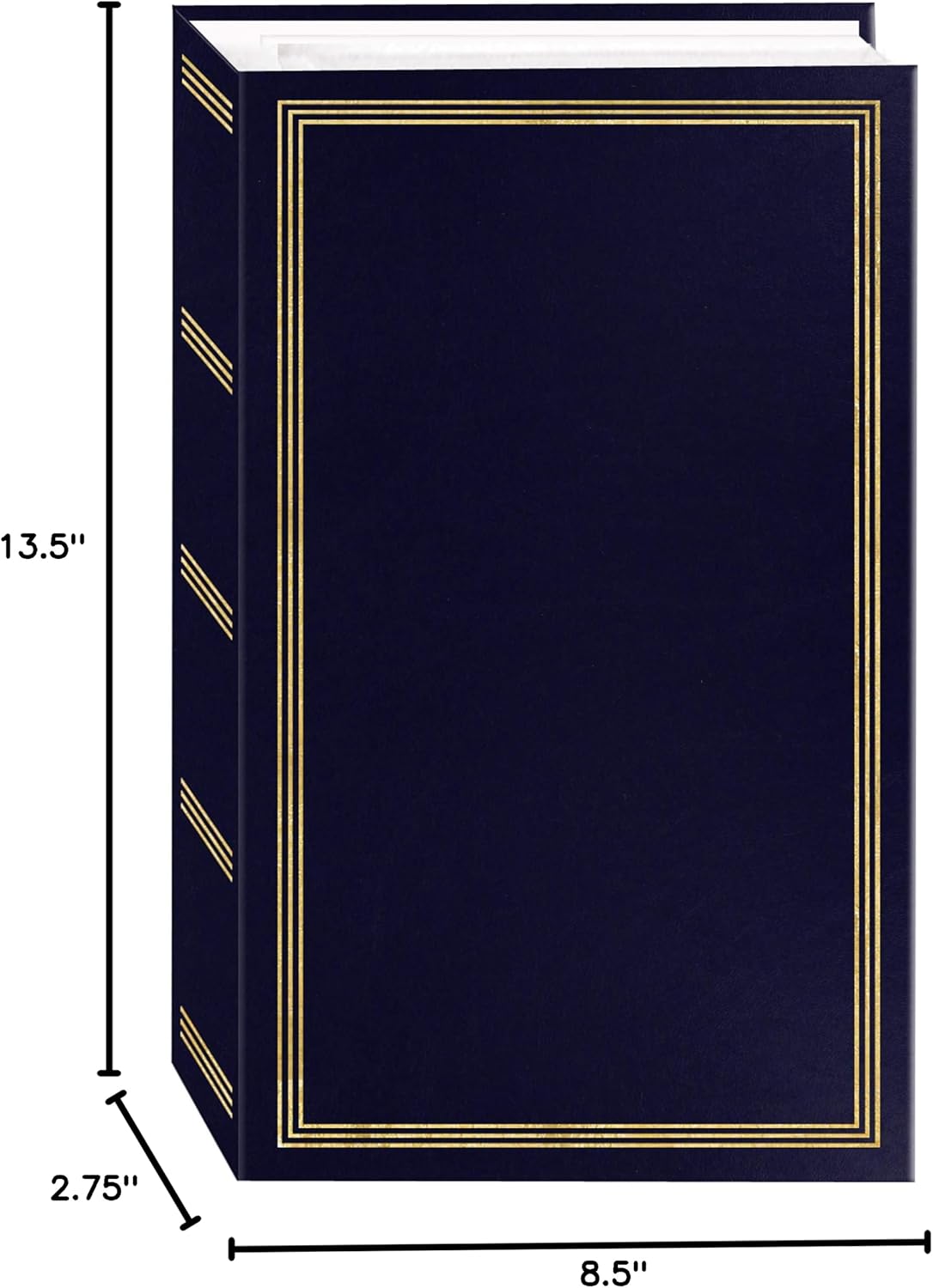
The Pioneer STC-504 is the most-discussed high-capacity pocket album at the intermediate-practitioner level. Owners consistently cite its value-per-pocket ratio and the reliable sleeve tightness across the full fill. The repeated complaint in aggregated reviews is packaging: corner damage arrives often enough that reviewers specifically request bubble wrap in shipment. If you’re ordering, that’s worth noting before your order arrives — inspect immediately and document corner damage for a return or replacement claim. The sleeve material is polypropylene, which meets the archival material standards described in the Library of Congress Preservation Directorate’s “Caring for Your Photographs.”
Pioneer
$11.99
In stock on Amazon
Check price on AmazonAegero Binder-Style Sleeve Albums: The Expandable System
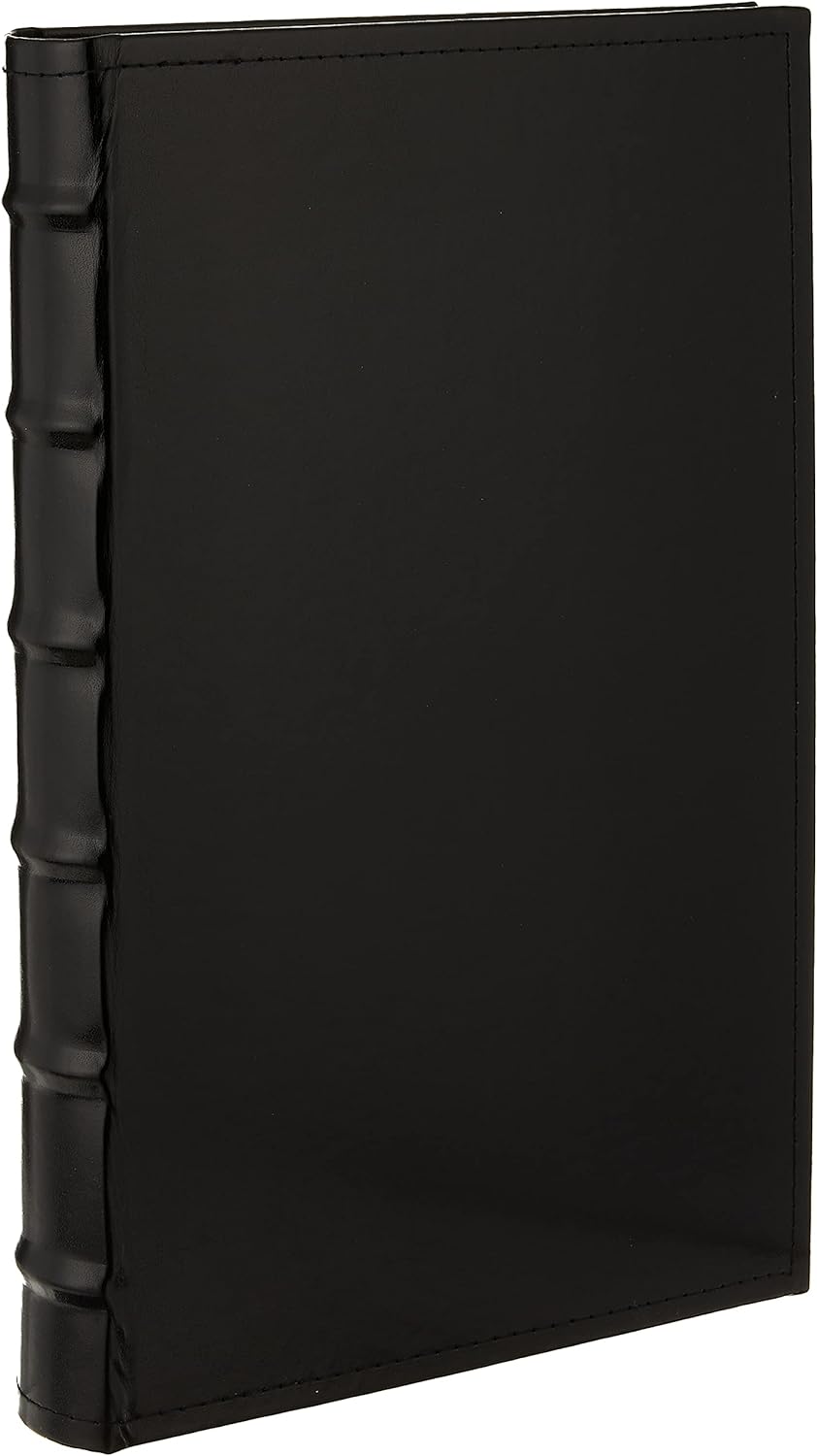
Aegero binder-style sleeve albums occupy a distinct niche: the praise owners keep returning to is seam durability and hole reinforcement on the refillable pages. That specificity suggests a buyer who has previously dealt with sleeves that split at the seam when full or pages that tear out of the binder rings under load. For practitioners building a system they plan to expand over years, Aegero’s reinforced construction is the detail that earns repeat purchases. Binder-format pocket albums also solve one of the structural problems of bound pocket albums: you can insert new pages without rebinding, which is the format most analogous to how archivists at the institutional level think about growing print collections.
Pioneer
$19.99
In stock on Amazon
Check price on AmazonPotricher Linen 600-Pocket: Presentation at Scale
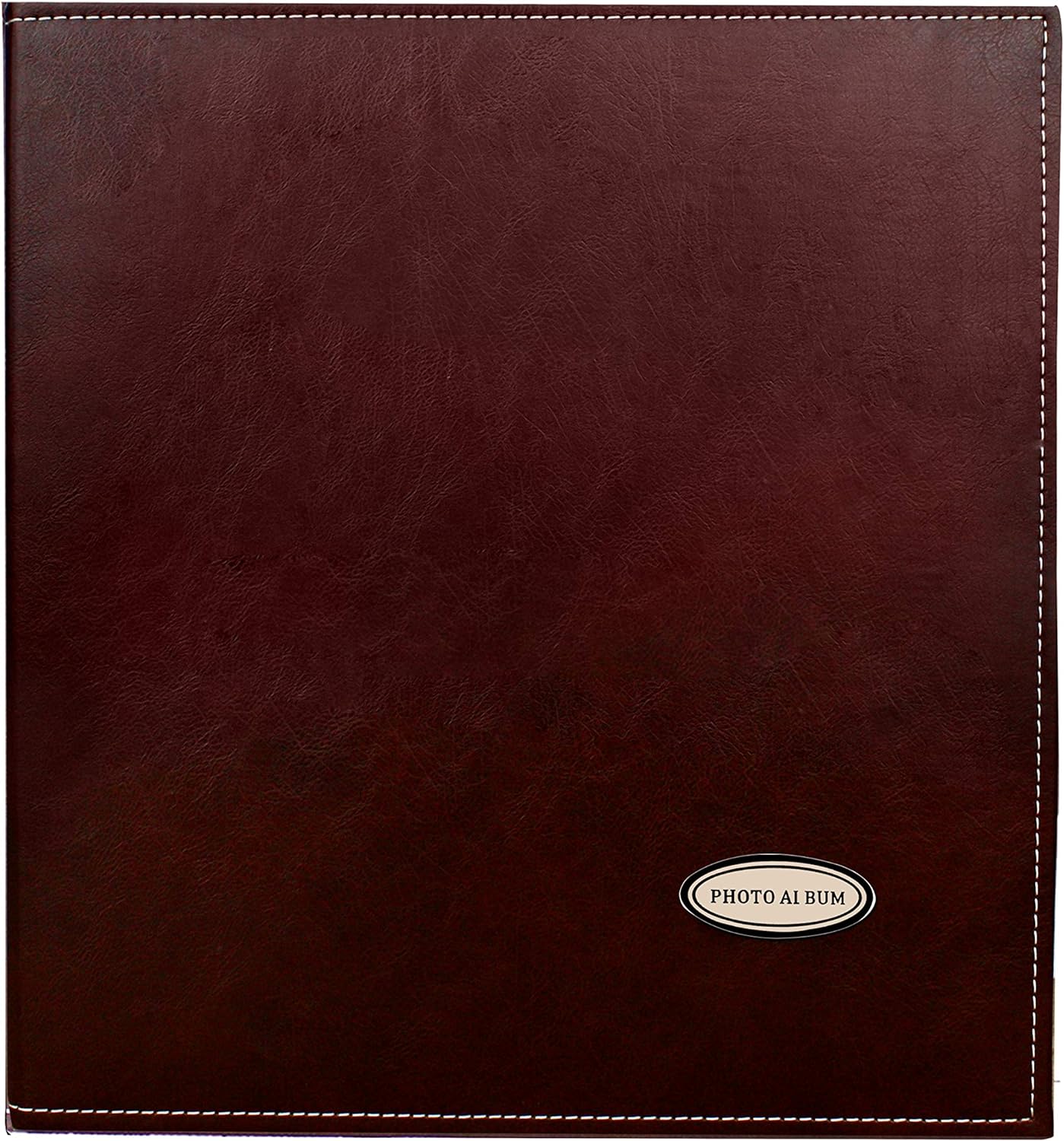
Potricher linen albums are cited by owners primarily for how they look and feel: sturdy, upscale, the kind of object you hand to a relative and watch their expression change. At the 600-pocket capacity level, owners are also candid about the weight penalty — a fully loaded Potricher becomes genuinely heavy, which matters if it’s going to sit in a lap during a family gathering or be shelved at a height where pulling it down requires two hands.
By the numbers — pocket album weight at capacity:
| Album | Claimed capacity | Approximate filled weight |
|---|---|---|
| Pioneer STC-504 | 500–600 pockets | ~3.5–4 lbs |
| Aegero binder, 20 full sleeves | 200–240 pockets | ~2.5–3 lbs |
| Potricher linen, 600 pockets | 600 pockets | ~5–6 lbs |
These are estimates based on published page counts, average print weight (approximately 3–4 grams per 4×6 print), and cover material weight. Manufacturers do not publish filled weights. Actual weight varies by paper stock.
Zoview
$26.99
In stock on Amazon
Check price on AmazonSelf-Adhesive Albums: Enthusiasm vs. Archival Reality
Zoview self-adhesive albums have genuine fans — owners report purchasing three or four units in sequence for different family branches or photo categories, which is real product loyalty. The format’s appeal is intuitive: lay the print on the sticky page, press down, flip the protective film over it. No sleeve fussing. Large prints and oddly-sized photos fit without the constraint of a fixed pocket dimension.
Here is the honest tradeoff: every credible archival source — the Library of Congress Preservation Directorate’s “Caring for Your Photographs,” the Image Permanence Institute’s Storage Encyclopedia, and Wirecutter’s photo album coverage published by The New York Times — flags self-adhesive (sometimes called “magnetic”) albums as a higher-risk format for long-term storage. The adhesive contacts the print surface directly. The chemistry of that contact, over decades, is the documented cause of staining, emulsion lifting, and in some cases permanent bonding that makes removal destructive. Some modern self-adhesive albums use lower-tack, more chemically stable adhesives than the magnetic albums of the 1970s and 1980s, but no current consumer album in this category carries published PAT certification in the product documentation reviewed for this article.
The practical decision frame: if these albums are for display copies of restored prints — where you have a digital master file and could reprint — and you value the format flexibility and ease of use, the archival risk is manageable and the format is genuinely enjoyable to use. If you are storing original prints, one-of-a-kind darkroom prints, or restored prints for which you have no digital backup, the pocket format is the correct choice regardless of the minor friction.
Linen and Fabric-Cover Albums: Presentation as a Design Decision
Pioneer Bonded Leather: The Gifting Format
Pioneer bonded leather albums occupy a distinct emotional category in how buyers describe their purchases: gifting language dominates. Grandchildren, teenagers interested in photography, family history projects. These are being purchased as presentation objects as much as storage objects. The bonded leather construction — leather scraps bonded with adhesive to a backing, durable but different from full-grain leather — reads as premium at a gift-appropriate price point. The archival properties depend entirely on the internal page format, which on Pioneer bonded leather albums is typically a pocket-sleeve design, meeting the archival material standards recommended by the Library of Congress Preservation Directorate. Cover aesthetics and internal archival soundness are not in conflict here.
Pioneer
$19.99
In stock on Amazon
Check price on AmazonLinen Albums as Presentation Objects
The linen and fabric-cover category is where aesthetics and archival function most cleanly overlap. If a restored print album is going to be displayed, passed around, or given as a gift, the cover material is doing real communicative work — it signals that what’s inside is worth preserving. The internal sleeve format (pocket vs. adhesive) remains the more important archival variable as described by the Society of American Archivists and the Image Permanence Institute at Rochester Institute of Technology; the cover is the emotional variable. Choosing a linen cover doesn’t improve or degrade the archival properties of the pages inside, but it does affect how often the album gets taken off the shelf, which matters for whether restored prints are actually seen and shared.
Zoview
$26.99
In stock on Amazon
Check price on AmazonThe “If X, Then Y” Decision Matrix
You’ve built intuition at this point in your work. Here’s the condensed decision frame:
If you’re archiving original or irreplaceable prints for 20+ year storage: Pocket-sleeve format, polypropylene or polyester sleeves, period. Pioneer STC-504 or Aegero binder sleeves depending on whether you want a bound or expandable system.
If you’re building a binder system you’ll add to over many years: Aegero’s reinforced ring binder pages solve the expansion problem. Buy the binder once; add pages as your output grows.
If capacity and per-unit cost are the primary constraints: Pioneer STC-504 delivers volume at a value ratio that reviewers consistently cite. Order with a packaging note, inspect corners immediately.
If the album is a gift or will be handled in social settings: Pioneer bonded leather — pocket format internally — gives you the presentation quality without sacrificing archival soundness.
If you’re storing display copies and you have digital backups of everything: Zoview self-adhesive is a genuinely pleasant format for flexibility and ease of use. The archival risk is real but manageable when a digital master exists.
If weight matters for shelf placement or handling: Factor 5–6 lbs for a fully loaded 600-pocket linen album. If the album is going into a high shelf or being used regularly by older family members, a smaller-capacity bound pocket album or a binder you can split into volumes is worth considering.
Frequently Asked Questions
Are these albums acid-free and safe for long-term print storage? “Acid-free” is a starting point, not a guarantee. It means the materials have a neutral or slightly alkaline pH at time of manufacture, which reduces yellowing and brittleness from acid degradation. It does not address off-gassing from PVC sleeves or adhesive chemistry. For restored prints, look for albums specifying polypropylene or polyester sleeve material in addition to acid-free claims, consistent with guidance from the Library of Congress Preservation Directorate’s “Caring for Your Photographs.”
What happens to the pocket slots after the album is fully loaded — do they stay tight? Owners of Pioneer and Aegero pocket albums consistently report that sleeves hold prints securely even at full load — the pockets are designed to be tight by default, and prints don’t migrate or fall out. This is one area where cheaper no-name albums fail more frequently.
How heavy does a 600-pocket album get when fully filled? Based on published page counts and average print weight: approximately 5–6 lbs for a linen-cover 600-pocket album, 3.5–4 lbs for a lighter-cover bound album like the Pioneer STC-504. This is a real handling and shelving consideration.
Can I use these albums for 4×6 prints from a home printer, or only lab prints? Pocket albums work equally well for home inkjet prints, dye-sublimation prints, and lab prints — the sleeve doesn’t distinguish. Self-adhesive formats are slightly more forgiving of minor size variation. The ink type doesn’t change the album recommendation, but it does affect print longevity independent of the album.
What is the best album format if I plan to keep adding prints over many years? The binder-format pocket sleeve system — Aegero being the example reviewers cite for seam and hole durability — is the correct answer here. You add pages without replacing the album, and the per-page cost over time is lower than buying new bound albums.
Why do album corners arrive damaged and what should I do? This is a documented packaging issue specifically with Pioneer STC-504: multiple reviewers flag inadequate padding for a heavy item with vulnerable corners. If your album arrives with corner damage, photograph it immediately before removing from packaging, and contact the retailer. Most fulfill replacements without requiring a return of the damaged item.